Emergency Preparedness & Response
Professional Alliance for Development (PADet) has experience in Emergency Preparedness and Response as part of its humanitarian and community resilience programs.
Combining immediate relief with long-term resilience
PADet works with vulnerable communities affected by conflicts, displacement, drought, disease outbreaks, and other emergencies by combining immediate humanitarian support with long-term resilience-building approaches[cite: 3].
PADet’s Emergency Preparedness and Response approach aims to save lives during crises, reduce vulnerability, strengthen community resilience, and ensure that affected populations recover with dignity[cite: 3].
How this shows up in our programmes
1. Humanitarian Emergency Response
Providing emergency assistance such as food, essential supplies, protection support, and recovery assistance to IDPs and vulnerable households, including support for those displaced from Raya Azebo, Ofla, Alamata, and Kobo[cite: 3].
2. Disaster Preparedness & Risk Reduction
Preparing communities before emergencies occur by strengthening local capacity, improving awareness, and supporting community-based disaster risk reduction mechanisms[cite: 3].
3. Community-Based Response Systems
Working closely with local communities, government structures, and partners to ensure responses are participatory, transparent, and accurately prioritize community needs[cite: 3].
4. Epidemic Preparedness & Health Response
Strengthening local response capacity through health education, rapid response team training, disease prevention, and advocating for emergency funding in areas like Kalu District[cite: 3].
5. Protection of Vulnerable Groups
Integrating protection principles with special attention to women, girls, children, persons with disabilities, and displaced households to ensure support reaches those most affected[cite: 3].
6. Long-Term Community Resilience
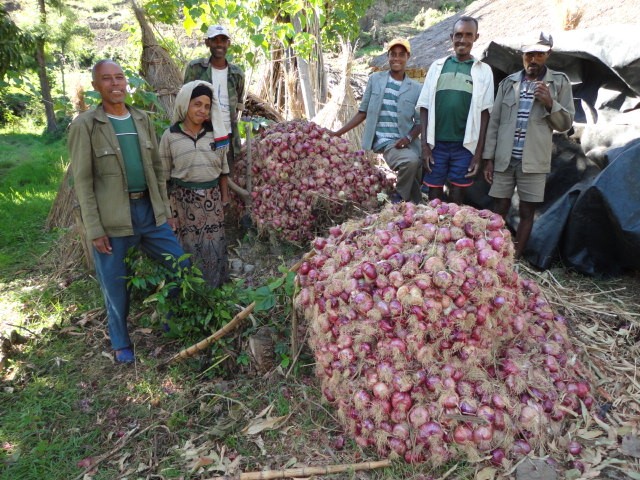
Linking emergency relief with sustainable development through livelihoods, food security, climate resilience, and community empowerment programs for future shock preparation[cite: 3].