About us
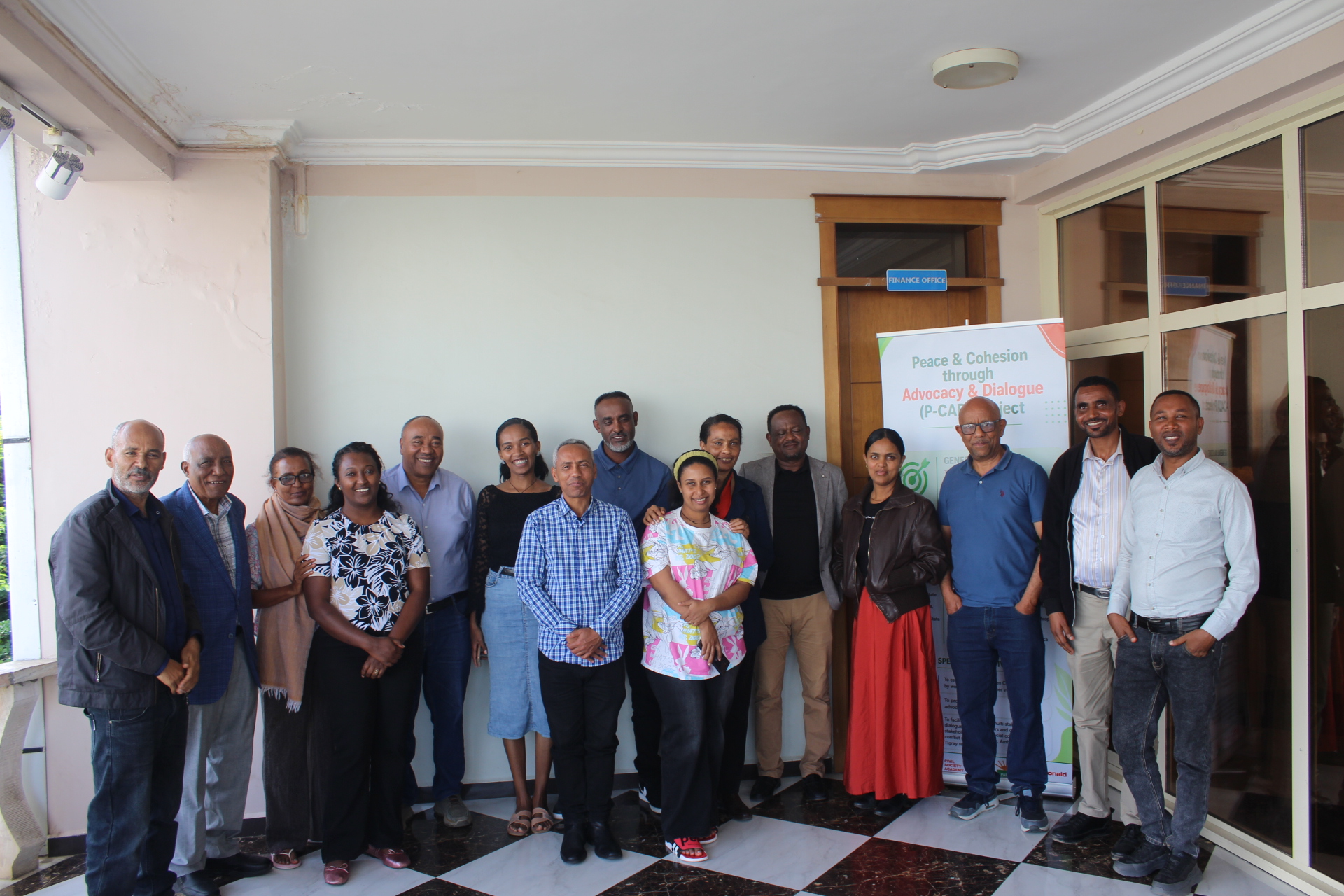
Our story
Since its inception in 1998, the Professional Alliance for Development (PADet) has stood as a beacon of hope and structural transformation in Ethiopia. What began as a modest grassroots initiative has matured into a vital, nation-wide force — one built on a simple wager: that people closest to a problem are best placed to solve it.
From a 50,000 ETB grant in 2001 to a community fund exceeding 600,000 ETB by 2016, we scaled our impact through a decentralized management model that honors local autonomy. Today, PADet operates across 24 Woredas, partnering with communities so they remain the architects of their own progress — from gender equality and health to climate resilience and child safeguarding.
Our journey
Milestones since 1998
PADet is founded
A first grant, a first Woreda
50,000 ETB and a single office in Muketuri — the seed of a model built to be handed to communities, not run for them.
Growth without the centre
The community fund passes 600,000 ETB. Decentralized hubs let each Woreda direct its own resources, on its own terms.
24 Woredas, one shared model
Five regions, dozens of local offices, and a single conviction still holding it together: people are the architects of their own progress.
Where we work
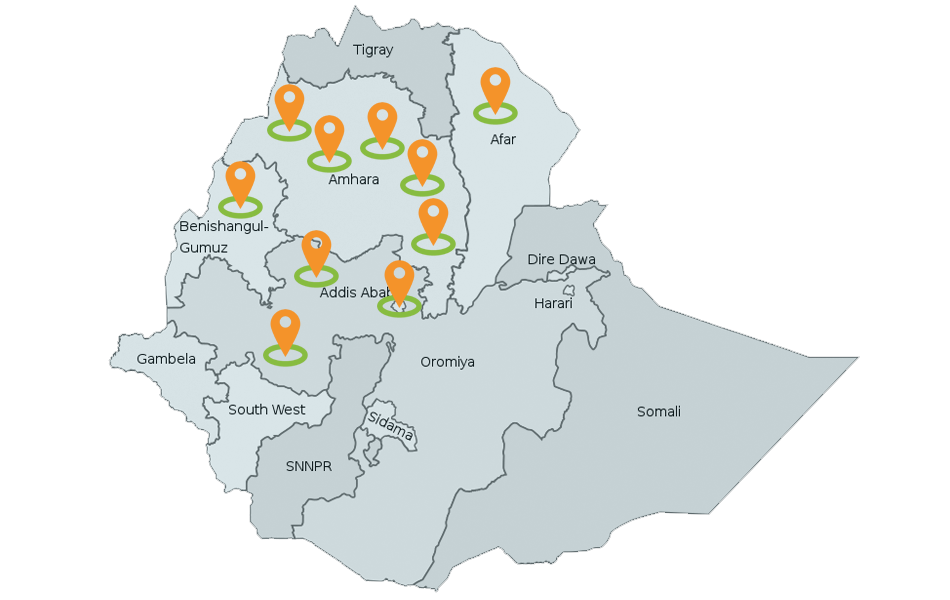
24 Woredas, five regions
One decentralized model, coordinated through regional hubs and carried forward by local staff.
- Addis Ababa — Head OfficeCoordination
- Oromia — Mukerti, KersaField office
- Amhara — Dessie, Woldiya, Bahir Dar, AnkoberField office
- Afar — SemeraField office
- Benishangul Gumuz — Opening soon
What guides us
Our values
Integrity
Acting with honesty, transparency, and accountability in all activities.
Partnership
Building strong collaborations with communities, government, civil society, donors, and other stakeholders.
Inclusiveness
Ensuring equal participation and opportunities for all people, regardless of gender, age, disability, ethnicity, or background.
Respect for Human Rights
Upholding the dignity, rights, and well-being of every individual in all interventions.